Openmesh
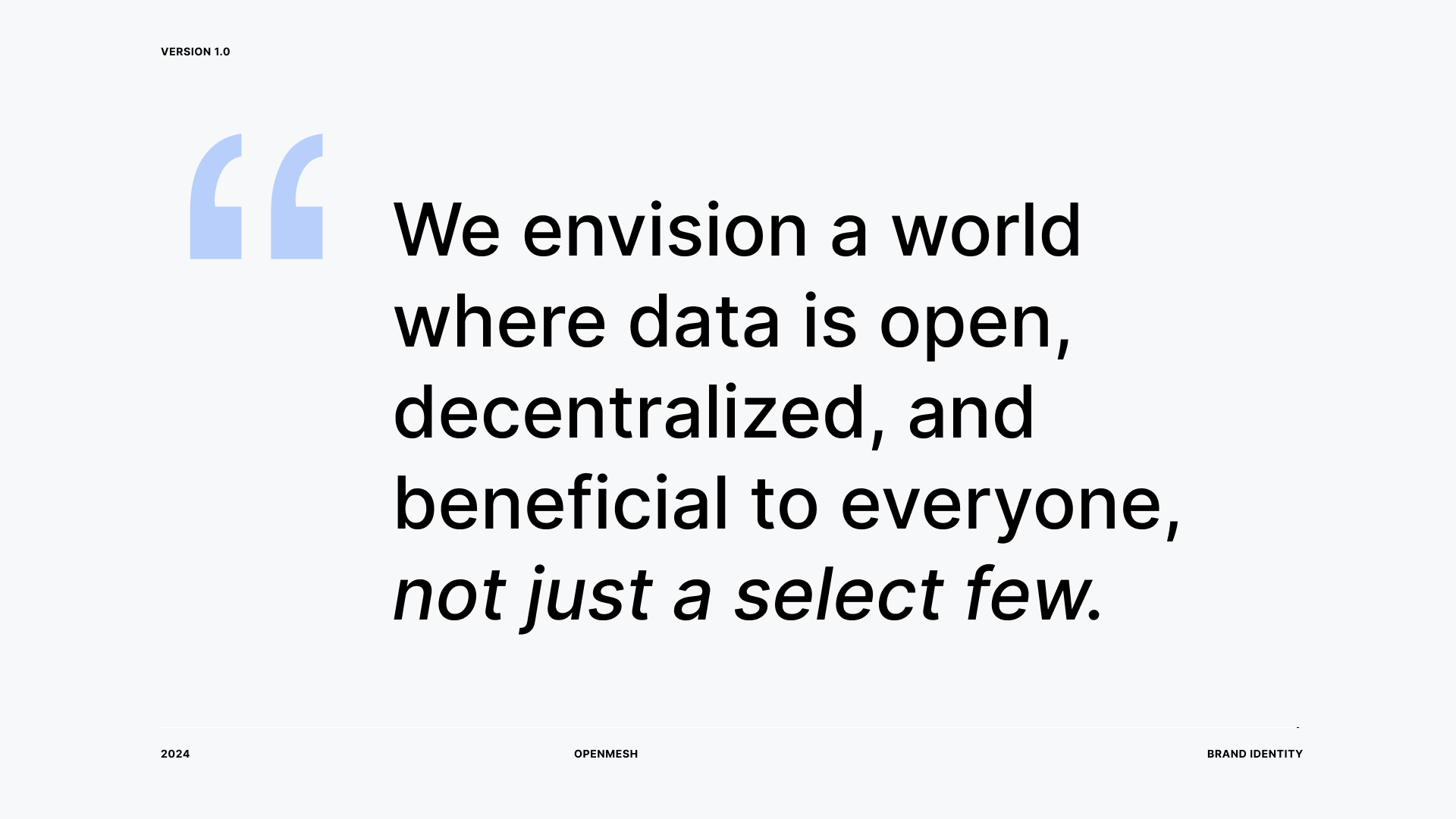
Openmesh envisions a world where data is open, decentralized, and beneficial to everyone, not just a select few.
Challenge
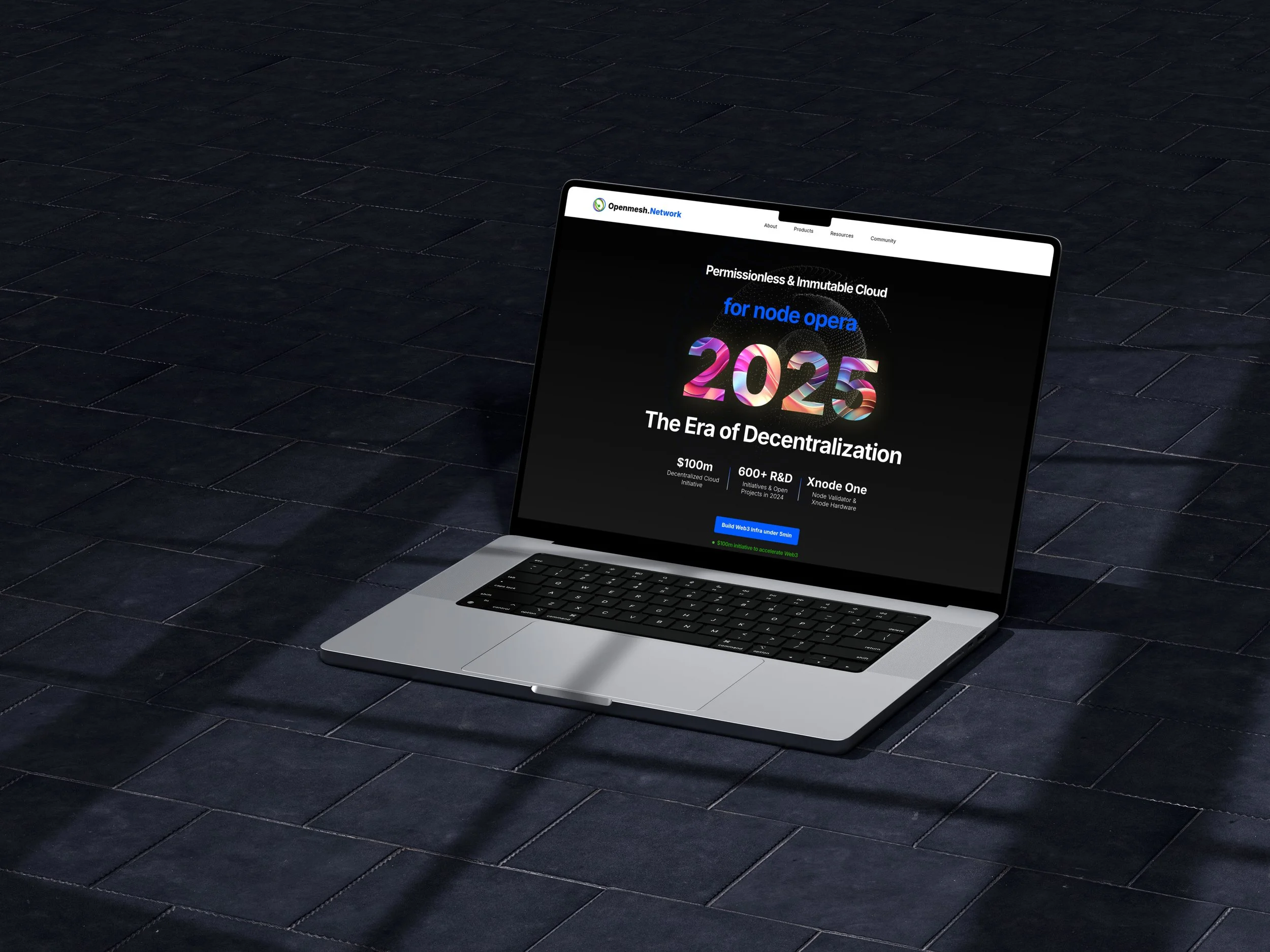
Openmesh needed a brand and digital presence that could clearly articulate a complex vision focused on centralising decentralised data infrastructure while still feeling modern, accessible, and credible to both technical and non-technical audiences. The core challenge was simplifying sophisticated concepts into an intuitive online experience that supported brand trust and community growth.
Website: https://www.openmesh.network
Solution
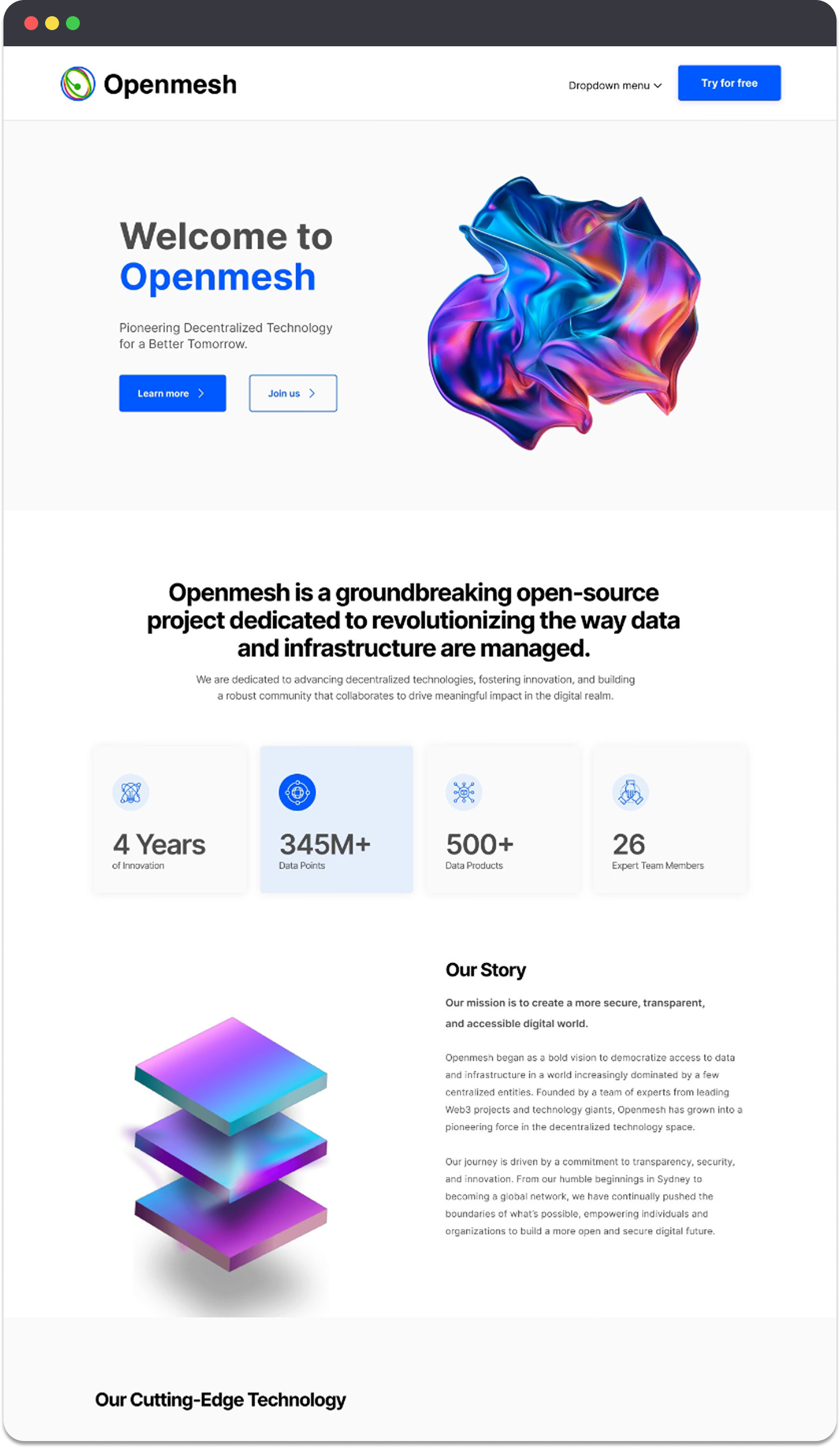
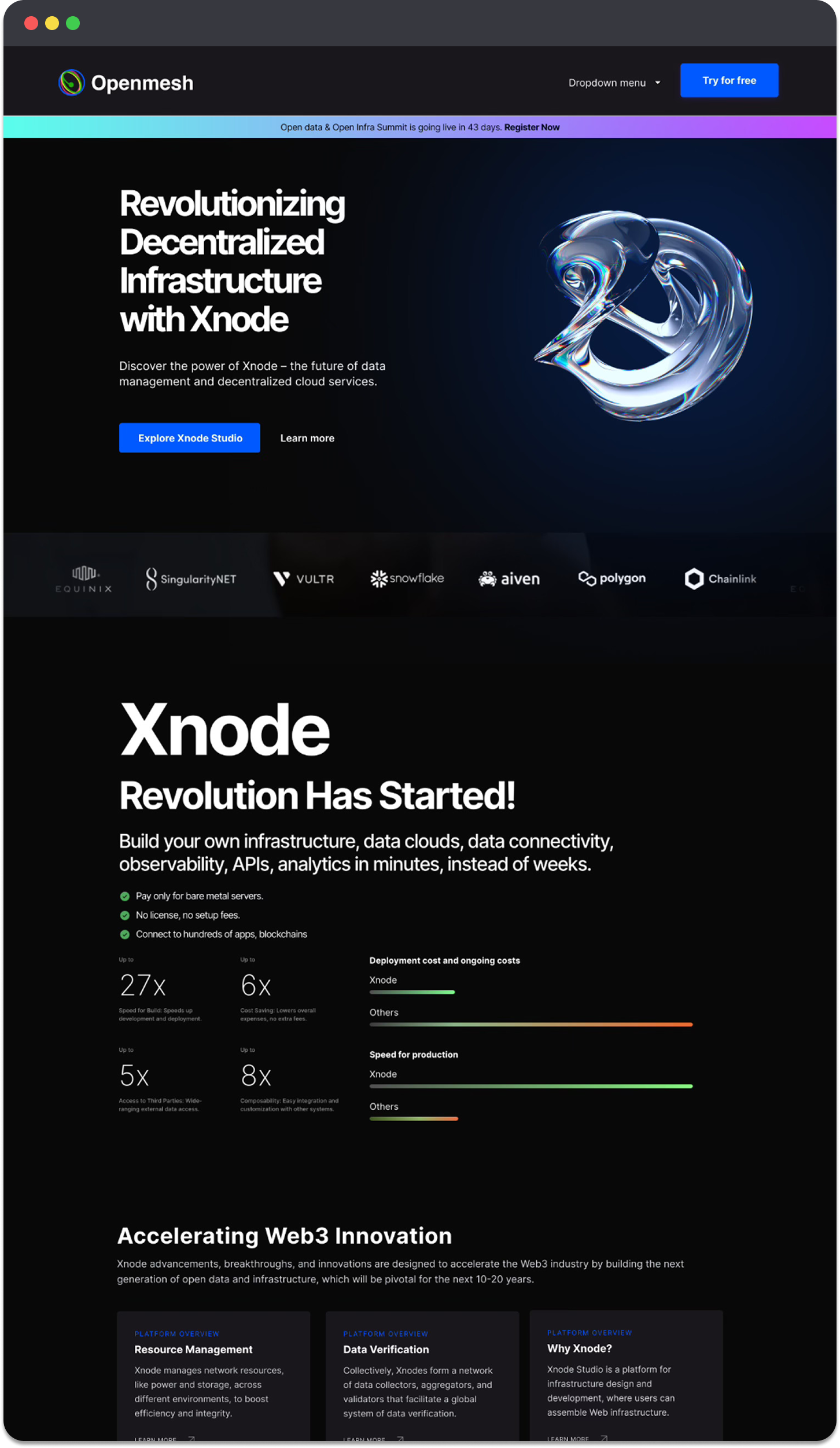
I led the design strategy and execution to reshape Openmesh’s brand presence and digital experience. The work focused on simplifying the narrative, clarifying the product positioning, and structuring content in a way that reflected users’ mental models. The redesigned site emphasises:
Core value propositions up front
Clear pathways for different user types (developers, founders, partners)
Educational sections that explain how Openmesh works
Visual and interaction systems that support trust, scalability, and future growth
The redesign was built as a modular and scalable ecosystem so content can evolve with Openmesh without losing structural coherence.
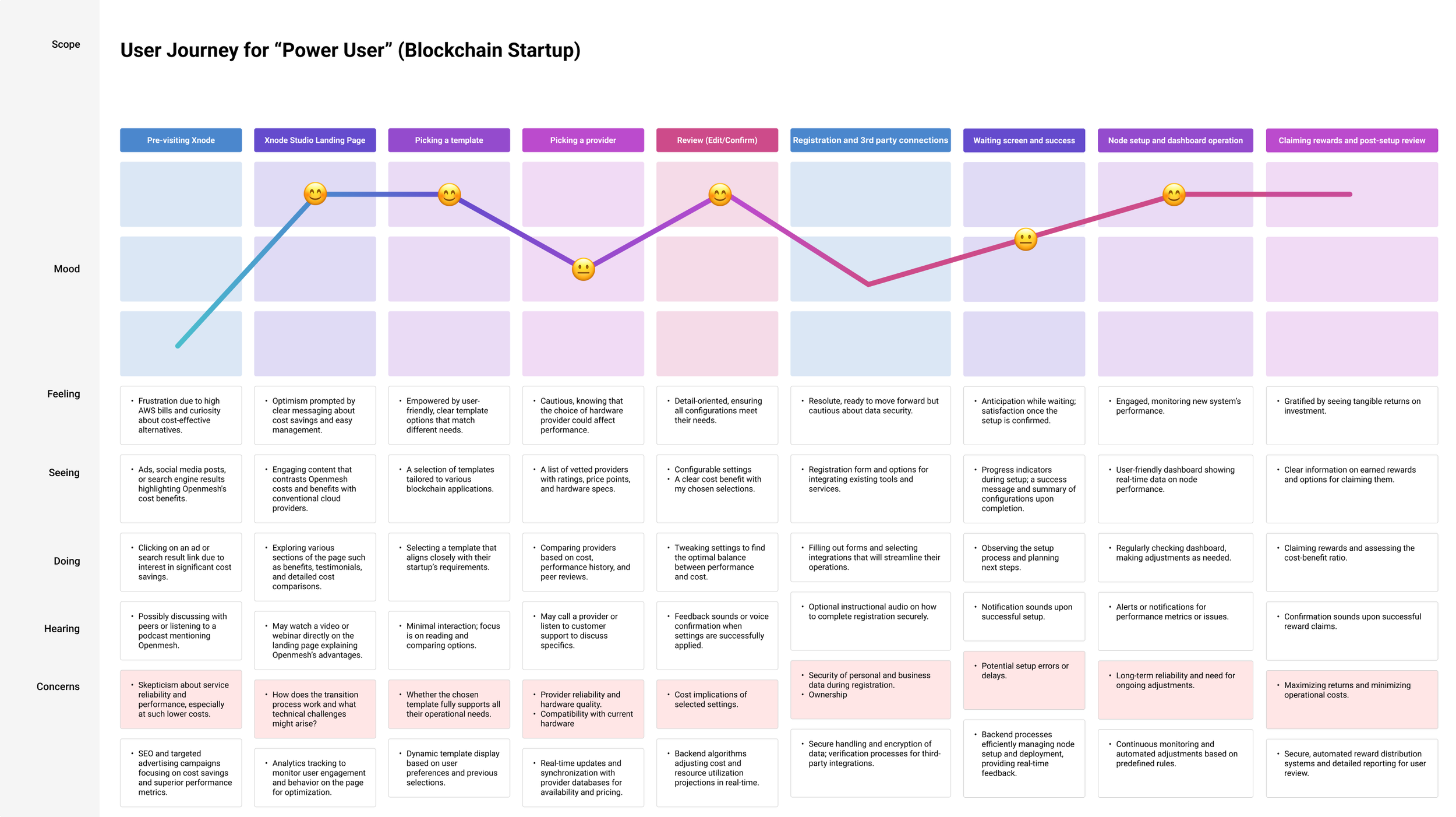
I mapped user journeys grounded in real goals including discovery, understanding, and conversion. This informed the content hierarchy, interaction patterns, and navigation flow so that every touchpoint helped reduce cognitive load and guide users toward meaningful engagement.
Information Architecture & Narrative Flow
A core part of the redesign was structuring the site so visitors can self-navigate based on intent. The narrative flow prioritises:
1. Why Openmesh exists — clarity on data decentralisation challenges
2. What Openmesh offers — high-level value propositions
3. How it works — technical concepts explained in digestible sections
4. Who it’s for — clear pathways for builders, partners, and enterprises
5. How to engage — calls to action for docs, community, and onboarding
This progression removes guesswork and gives users a clear understanding of where they are and what to do next.
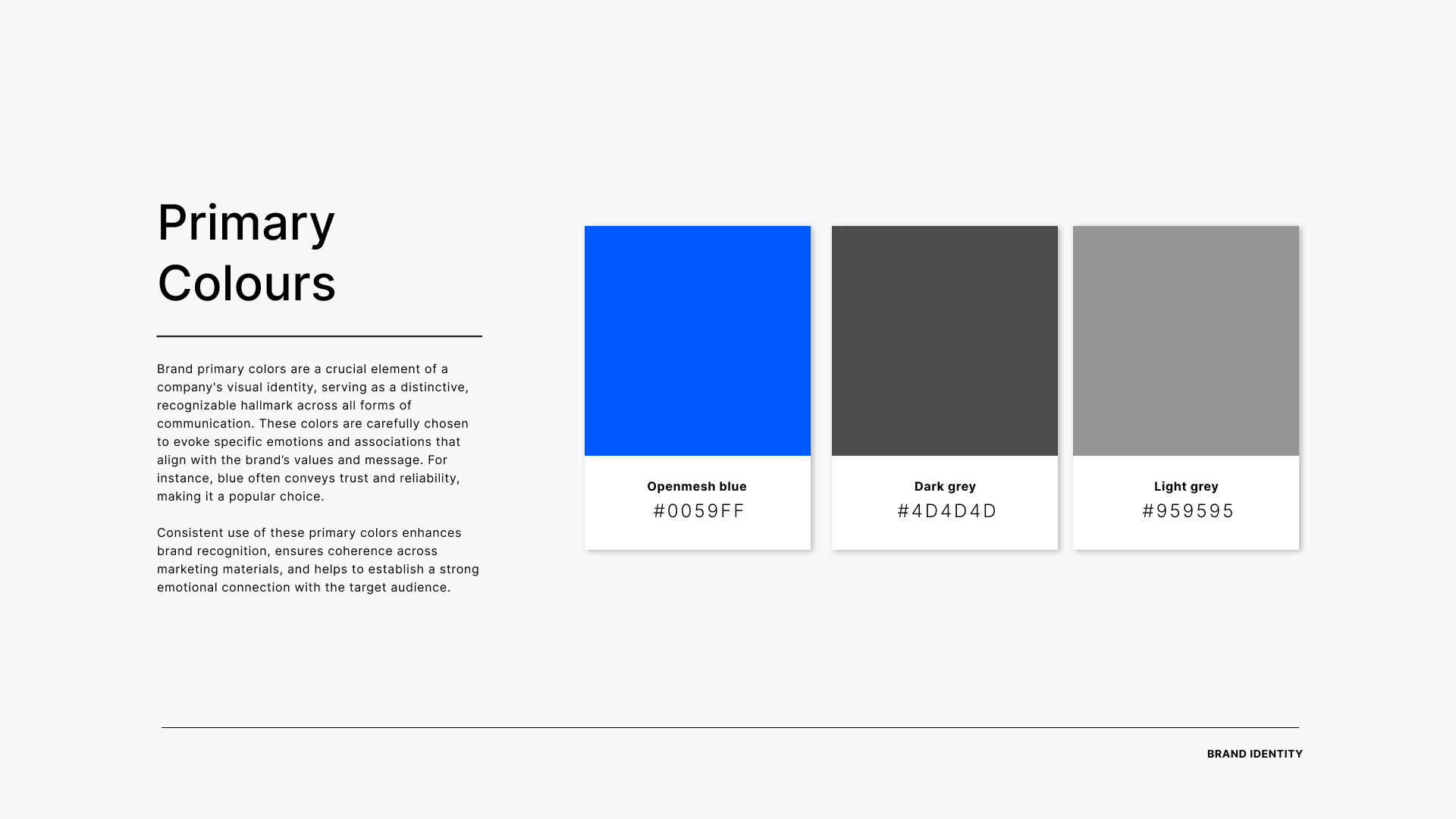
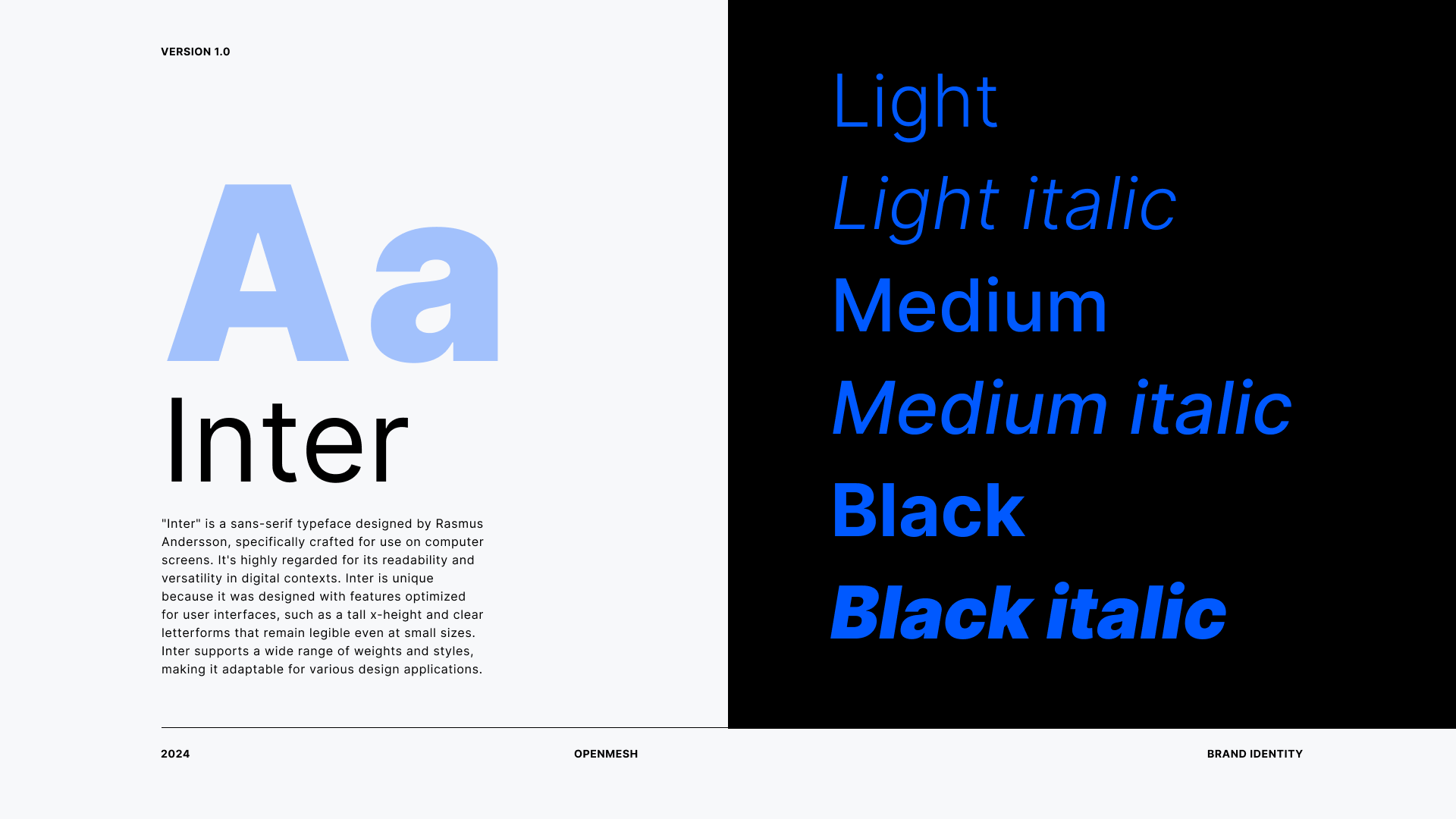
Design System TokensTo support consistency and scalability across Openmesh products, I introduced a structured set of design system tokens that defined colour, typography, spacing, and component behaviour at a foundational level. These tokens created a single source of truth across the website, Xnode Studio, and future product surfaces.
By abstracting visual decisions into reusable tokens, the system made it easier to maintain visual consistency, support theming, and scale the design as new features and products were introduced. Tokens also improved collaboration with engineering by providing clear, implementation-ready values that reduced ambiguity and accelerated build time.
This approach ensured the design system could evolve alongside the Openmesh ecosystem while preserving clarity, accessibility, and brand integrity across platforms.
To inform the redesign, I conducted heuristic analysis, competitor mapping, and audience profiling. These insights shaped:
Who the primary and secondary audiences are
What information users need first
How to balance technical depth with accessible language
What types of engagement actions users expect at each stage of the journey
This research led to an experience that feels purposeful for developers exploring APIs, founders evaluating data infrastructure, and partners considering integrations.
Strategy & User Research
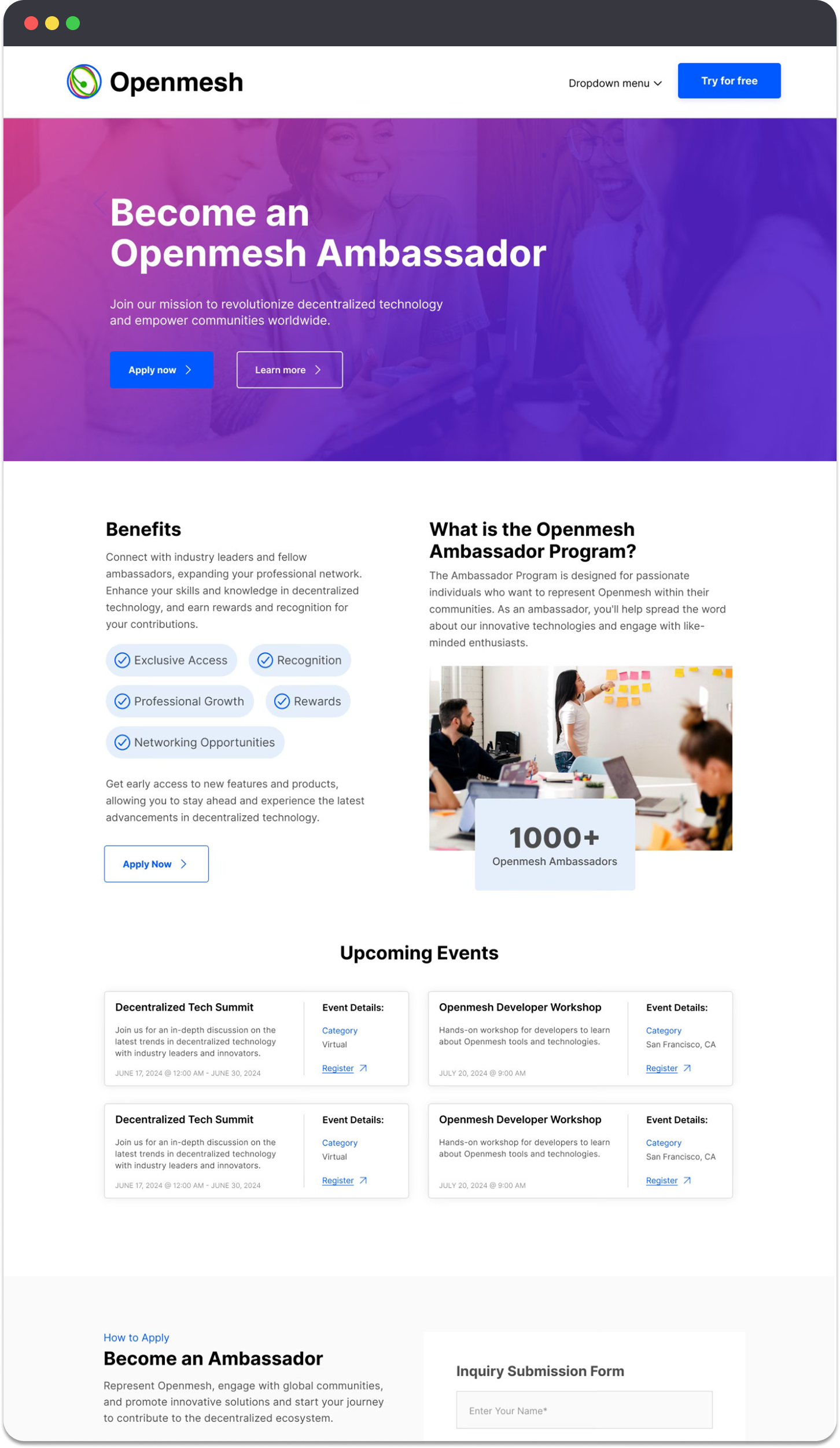
The visual system was refined to reflect Openmesh’s values of openness, connection, and technical credibility without feeling cold or inaccessible. This included:
A contemporary colour palette representing trust and innovation
Distinct typography hierarchy for readability across devices
Modular layout patterns that scale as the platform grows
Consistent visual cues and iconography that guide user attention
Every component was designed to perform with clarity and flexibility, supporting the complexity of the product without overwhelming users.
Given the developer-centric nature of Openmesh, I introduced detailed developer annotations and handoff documentation to bridge design and implementation. These included specifications for:
Responsive layout behaviour
Component states and accessibility considerations
Interaction notes for navigation, form behaviour, and micro-interactions
Tokenisation and design system standards
This approach reduced ambiguity during implementation while preserving design intent.
Visual Design & UX Decisions
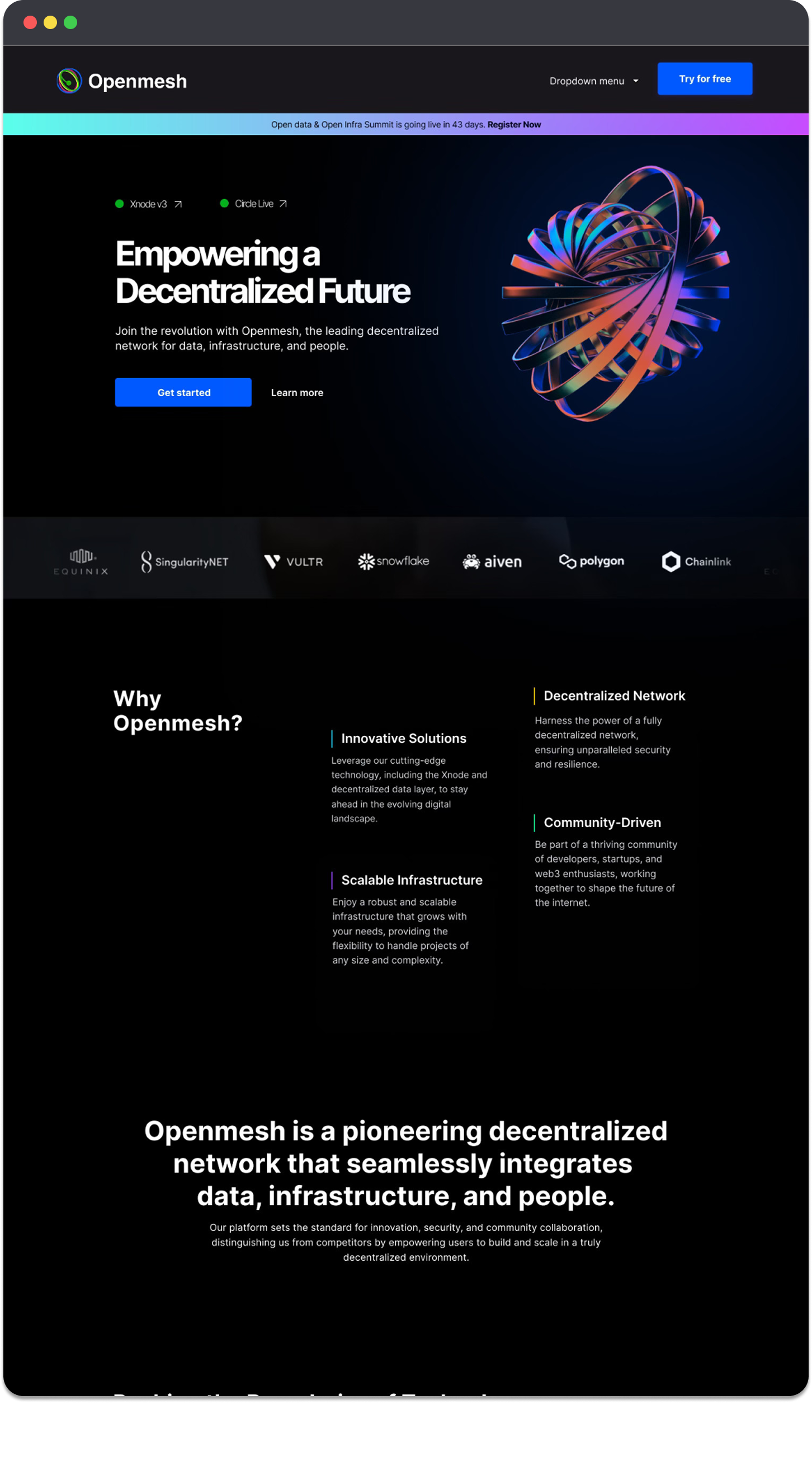
Conclusion
The redesigned online presence elevated Openmesh’s brand clarity and digital credibility. Early feedback indicated increased time on page and stronger engagement with key messaging. The site also established a strong foundation for future product expansion and reinforced Openmesh’s position as an accessible leader in decentralised data infrastructure.
This project was an opportunity to translate an ambitious, technical vision into a clear, intuitive, and human-centred digital experience. By aligning strategy, UX, and visual design, the final result supports Openmesh’s mission and long-term growth.
The redesigned Openmesh website effectively elevated the platform’s messaging, usability, and digital credibility. Key outcomes included:
Visitors find core value propositions faster with clearer messaging hierarchy
Technical and strategic content is more accessible to diverse audiences
Engagement pathways (like docs access, community joining, and onboarding) are better aligned with user intent
The visual and interaction system now reflects brand clarity and product confidence
While product adoption continues to evolve, early metrics show improved time on key pages, reduced drop-off in educational content, and stronger user engagement with community and documentation touchpoints.
Desktop Product
Introducing Xnode Studio
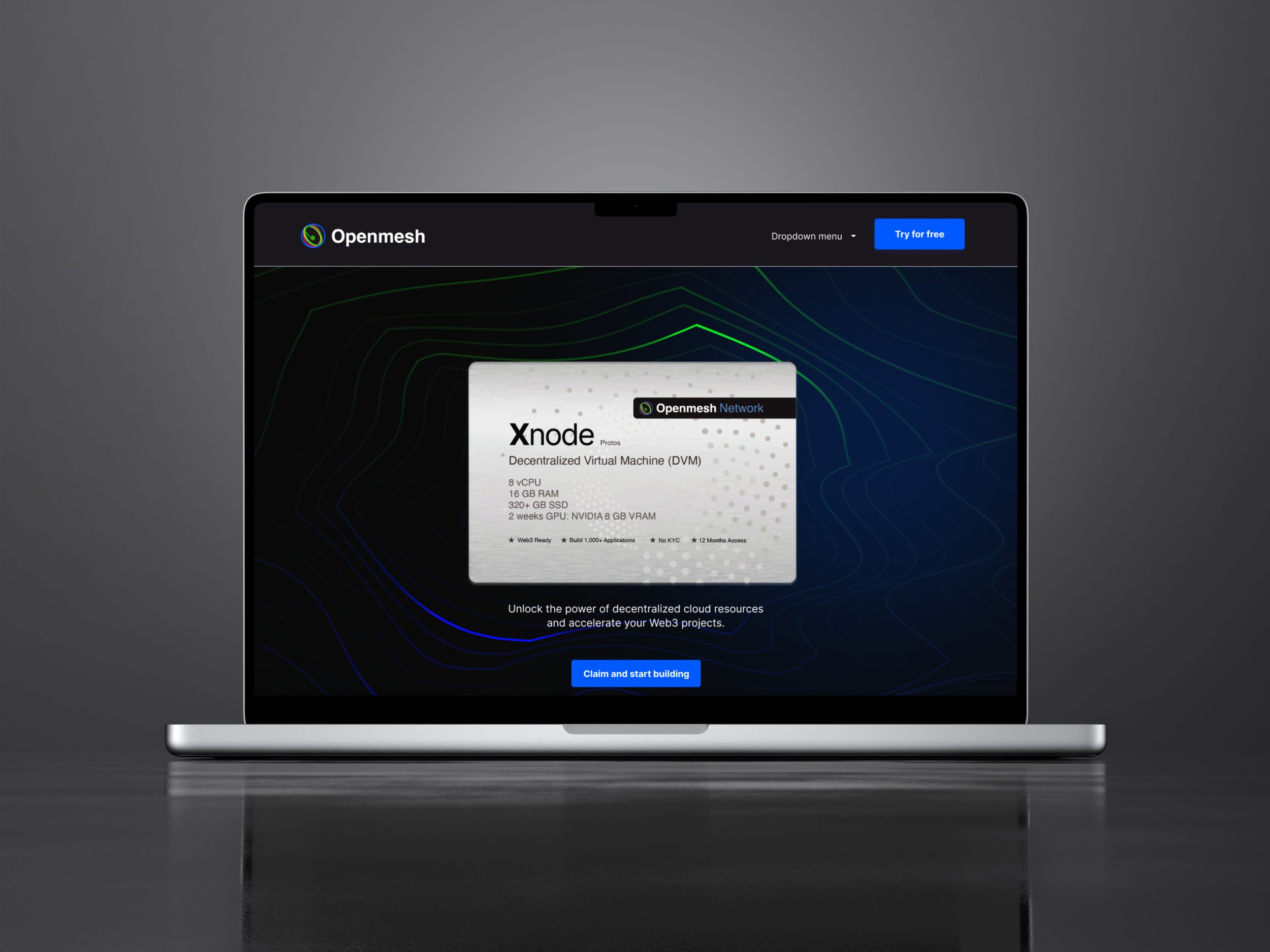
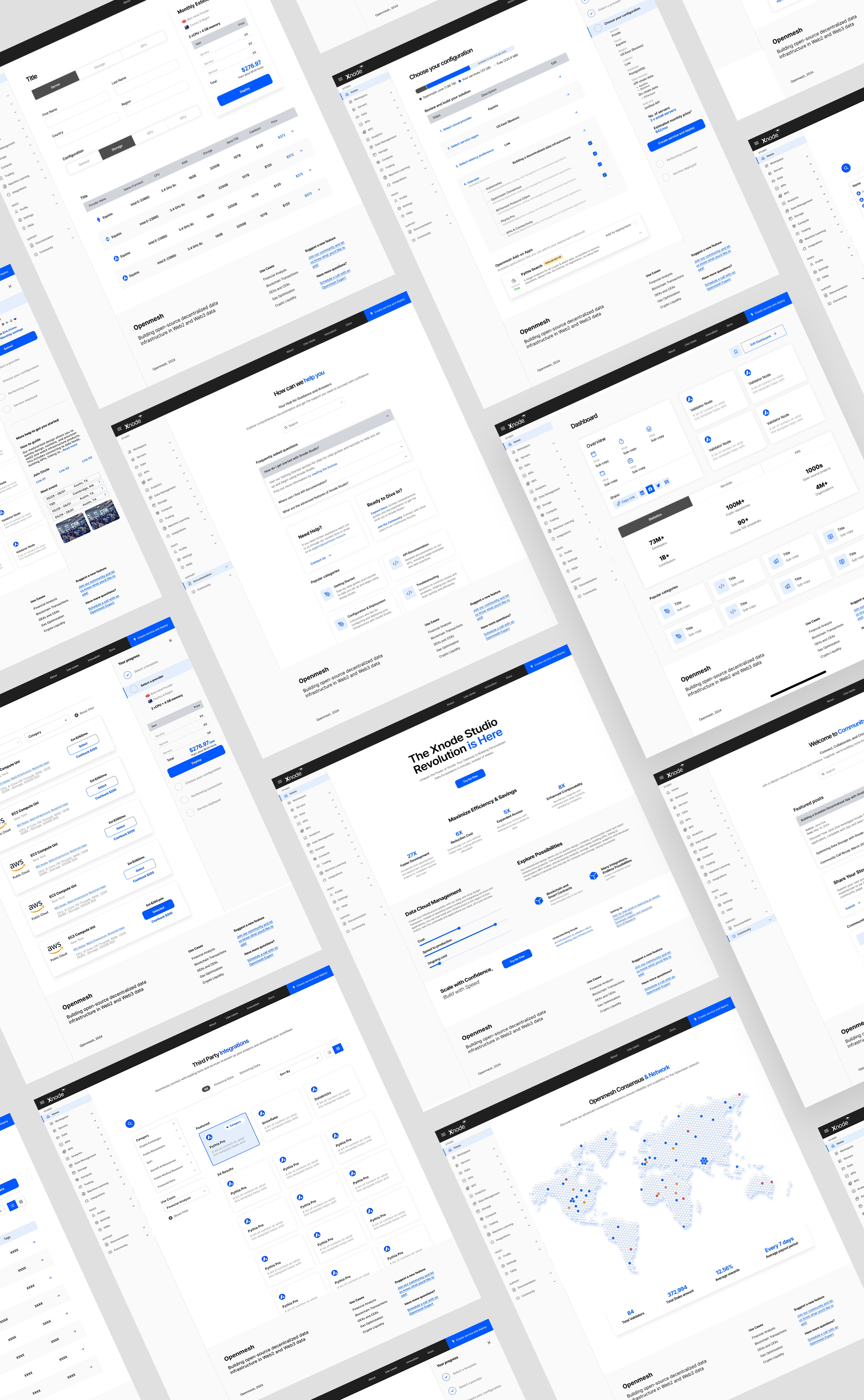
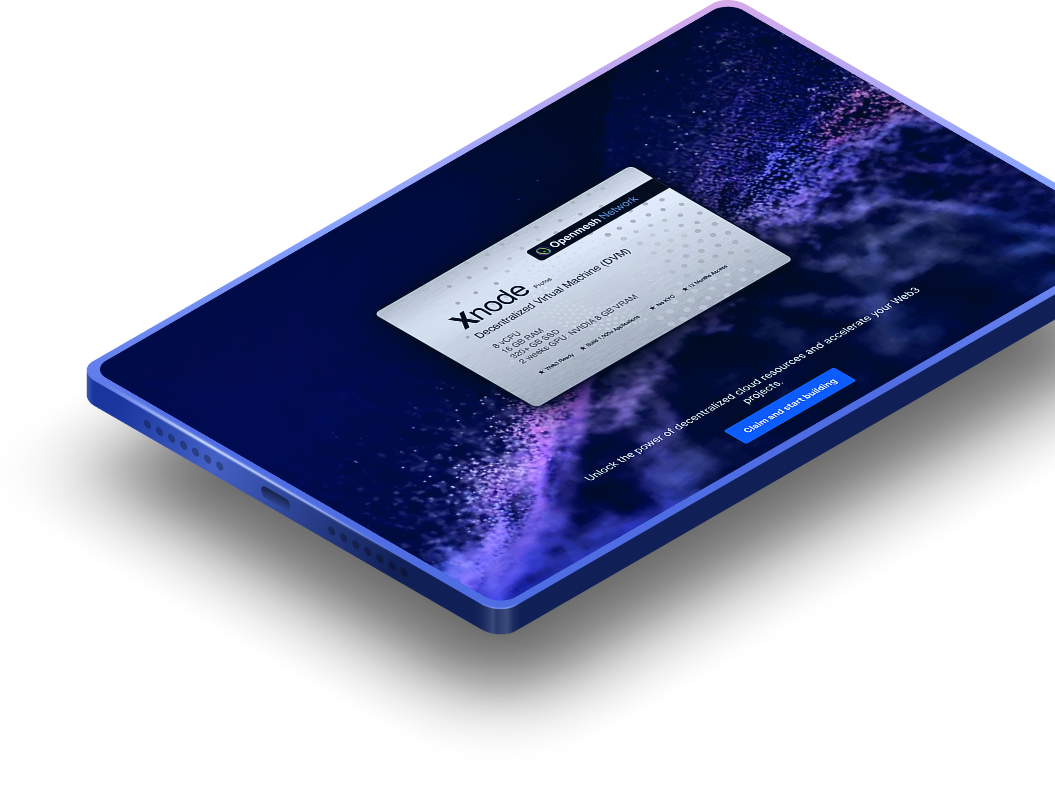
Xnode Studio is Openmesh’s desktop platform designed to help operators, developers, and partners manage nodes, monitor performance, and interact with decentralised infrastructure in a clear, controlled environment. As a highly technical product, the challenge was to make complex system information understandable and actionable without overwhelming users.
I designed the Xnode Studio experience with a strong emphasis on clarity, structure, and usability. This involved defining a clear information hierarchy, grouping technical data into meaningful sections, and designing layouts that support quick scanning and decision-making. Complex concepts such as node status, performance metrics, and configuration controls were presented in a way that feels approachable while still supporting expert use cases.
Special attention was given to scalability and consistency across the desktop interface. Modular components, predictable patterns, and clear visual states ensure the product can evolve alongside the Openmesh ecosystem without introducing cognitive friction. The result is a desktop product that balances technical depth with usability, empowering users to confidently operate within a decentralised network.
Xnode Studio